What we've learned from implementing digital Source of funds verification in hundreds of firms
More than 1 million buyers and giftors have now completed their verification with Thirdfort. That volume of Source of funds verification across hundreds of law firms and conveyancers has taught us something we didn't expect when we started: the hardest part of getting this right is rarely the technology. It's the people.
People before platforms
When a firm brings in digital verification for know your client (KYC), anti-money laundering (AML) and source of funds, the instinct is to treat it as a software rollout. Pick a good supplier, flick the switch, done. In practice, the firms that get the smoothest results are the ones who start by mapping out everyone the change will impact, because it's never just one audience.
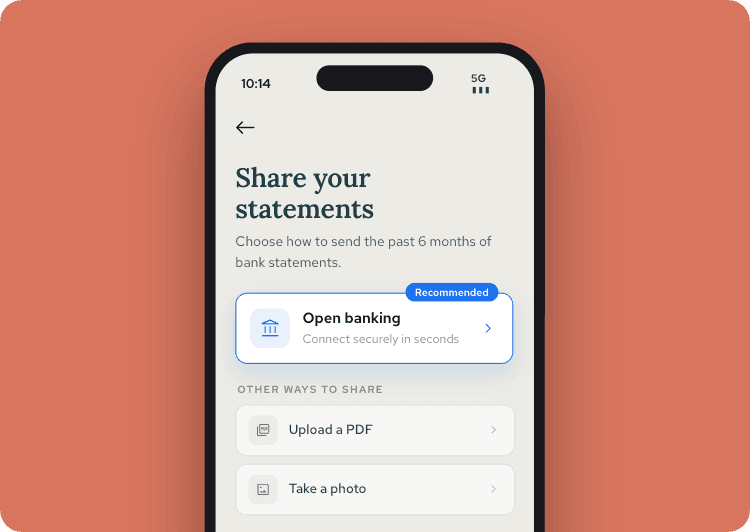
Clients need the process to feel quick, clear and trustworthy. They're in the middle of the biggest transaction of their lives and then they get a link asking them to verify their identity and share their bank data. If that feels confusing, they'll call the office, or won't do it at all.
Onboarding teams are the ones sending requests, chasing completions and answering questions every day. A tool that creates more admin than it saves gets worked around and workarounds are exactly where compliance gaps open up.
Conveyancers and lawyers want proof their client’s funds are legitimate without having to chase it themselves, with the information at their fingertips rather than buried in a separate system.
And compliance teams need to trust the output: a solid audit trail, defensible verification and everything they need for a file review in one place rather than pulled from three.
The firms that struggle are usually the ones who picked a solution that works for one of these groups but created problems for the rest.
Getting everyone on the same page
Four things consistently separate a smooth rollout from a difficult one.
Know what you're trying to fix before the first supplier meeting. If you can't name the problem clearly, you'll end up solving the wrong one.
Tell your team early, and tell them why. Announcing a new system a week before go-live rarely lands well. People support changes they understand the reasoning behind.
Plan the handover properly. How long will the transition take, and how easy will it be? Talk to other firms who've been through it and ask your supplier for references. The best intelligence comes from people who've actually done it.
Prepare documentation for clients. Clear communication of why they are being asked to provide this information, how they will complete their checks and what they’ll need will dramatically reduce resistance and decrease the time it takes to complete checks, for both you and your client.
Test the client journey yourself
Once a firm knows what it needs, choosing the right supplier comes down to one principle: test everything yourself.
Watching a video of the client journey is a start. A live demo of the actual product, rather than a polished sales deck, is better. Best of all is completing the journey yourself: pick up your phone, pretend you're a client who's just instructed you on a purchase, and go through the whole thing. Time it. Notice where you get confused, and what happens if you make a mistake. If it frustrates you, it'll frustrate your clients too.
Trial the product properly rather than relying on a demo, which only ever shows the best bits. If a supplier won't let you trial it, that's a red flag.
Look past the case studies on a supplier's website, because every supplier has those. Trustpilot, Google reviews and word of mouth tell you what the real client experience is like, not the polished version.
Plan for when clients get stuck
Some clients will lose the link. Some won't have their documentation to hand. Some will get confused at a step. Before committing to a supplier, it's worth understanding exactly what happens next: what support is available, where the team is based and how quickly they actually respond, backed by real figures rather than a supplier's word for it.
The same goes for support materials. A supplier who has learnt from hundreds of implementations should be able to hand over guide videos, help articles and FAQs, plus advice on what communication has worked well elsewhere. That knowledge is worth using.
What hundreds of implementations taught us
If there are three takeaways from hundreds of these rollouts, they're these.
Go all in, even during a trial. Half-hearted adoption gets you half-hearted results and never gives you a true read on whether something works.
Know your timelines, including for switching off the old process. Running two systems in parallel for months, because the transition wasn't planned cleanly, creates confusion, duplication and a compliance headache of its own.
Treat it as a partnership. A good supplier has seen what works elsewhere and should be open about it, and firms get the most out of an implementation when they're genuinely collaborating with their supplier rather than just transacting with them.
Compliant without complaints is the outcome every firm is aiming for: meeting regulatory obligations while giving clients and teams a good experience, without treating the two as a trade-off.
If you'd like to talk through your own Source of funds and AML processes, or hear how other firms are approaching this, we're ready when you are.
Subscribe to our newsletter
Subscribe to our monthly newsletter for recaps and recordings of our webinars, invitations for upcoming events and curated industry news. We’ll also send our guide to Digital ID Verification as a welcome gift.
Our Privacy Policy sets out how the personal data collected from you will be processed by us.